English Font for Professional Branding
As a small business owner, finding the right font can make a big difference in how your brand is perceived. The English font, a vintage lettering typeface, offers a unique blend of elegance and personality that can elevate your business materials across every touchpoint.
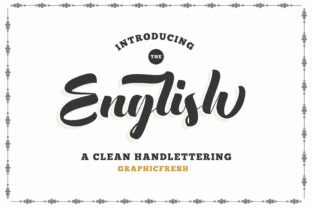
English is a script handwritten font that brings a handcrafted feel to any design. Its flowing lines and subtle imperfections give it a warm, approachable vibe, making it ideal for brands that want to convey authenticity and creativity. Whether you're designing a logo, creating social media graphics, or developing packaging, English adds a touch of sophistication that stands out without being overwhelming.
Using English in Business Materials
One of the most practical uses for English is in logos. Its expressive style works well as a headline or display font, helping your brand stand out on storefronts, websites, and marketing collateral. For example, a bakery might use English for its logo to create a sense of tradition and care, while a handmade candle brand could use it on product labels to emphasize the artisanal nature of their work.
Business cards are another area where English shines. A custom-designed card with this font can make a strong first impression, especially for service providers like coaches, consultants, or boutique owners. It adds a personal touch that makes your brand feel more human and relatable.
When it comes to product labels and packaging design, English can help your products look more cohesive and professional. Beauty brands, for instance, often use this font on skincare labels to create a refined, elegant aesthetic. Similarly, a café might use it on coffee bags or menu boards to reinforce a cozy, welcoming atmosphere.
English for Digital and Print Materials
English is also effective in digital spaces, such as website banners, Instagram posts, and Pinterest graphics. Its legibility on mobile screens makes it a great choice for social media content, where clarity and visual appeal are key. You can use it as a header font for blog posts, promotional images, or email newsletters to add a creative flair without sacrificing readability.
For printed materials like flyers, stickers, and thank-you cards, English maintains its charm and clarity even at smaller sizes. This makes it perfect for adding personalized touches to customer interactions, such as handwritten-style notes or custom stickers that reflect your brand’s identity.
When to Use English
English works best as a headline or accent font, rather than a body text. It’s ideal for logos, headers, and decorative elements where visual impact matters. However, it’s not recommended for long paragraphs due to its intricate details, which can reduce readability in extended text.
If you’re using English in a logo, consider pairing it with a clean sans serif font like Helvetica or Arial for balance. This combination creates contrast that draws attention to your brand while keeping the overall design modern and professional. Alternatively, pairing it with a classic serif font like Georgia or Times New Roman can add a timeless feel to your branding.
Testing and Pairing English
Before committing to English for your entire brand, it’s wise to test it across different materials. Create a sample logo, business card, and social media graphic to see how it looks in real-world applications. Pay attention to how it appears on both digital and print formats, and ensure it remains legible at various sizes.
Font pairing is also essential for maintaining visual harmony. If you're using English as a display font, choose a complementary typeface that supports it without competing. For example, a modern sans serif can provide a clean contrast to the vintage feel of English, making your designs more versatile and adaptable.
Commercial Licensing and Practical Tips
When using English for commercial purposes, always check the licensing terms. Some fonts require a separate license for use on products, packaging, or digital downloads. Make sure you understand what you’re allowed to do with the font to avoid any legal issues down the line.
Finally, remember that consistency is key to building a strong brand identity. Once you’ve chosen English, use it strategically across all your materials to create a cohesive look. Whether it’s on your website, social media, or physical products, a unified visual style helps customers recognize and trust your brand more easily.
By incorporating English into your design strategy, you can create a brand that feels authentic, professional, and memorable. Its versatility and charm make it an excellent choice for small businesses looking to stand out in a competitive market.